ACTION 3: NETWORK
3.1 MAINTENANCE OF NETWORKS WITH STATE-REGION-MUNICIPALITY COORDINATION
All the activities listed below should be carried out under a partnership between the State, Regions, Municipalities, and the water system operator. This would be part of an extraordinary public works plan aimed at revitalizing the economy (akin to localized “mini-Marshall Plans”) and preserving the environment.
3.2 GRADUAL REPLACEMENT OF END-OF-LIFE PIPELINES
A monumental effort is needed to involve public entities in restructuring the water and sewer networks to reduce inefficiencies. Currently, with 30% water losses in the network, only 70 liters of every 100 liters of potable water pumped reach the tap. Rebuilding the network would: – Reduce electricity consumption by 30% currently required for water lifting, filtering, treatment, and pumping. – Decrease chemical additives by 30% needed for water treatment. – Minimize emergency interventions due to burst pipes caused by aging infrastructure. – Lower water extraction from aquifers or surface sources by 30%, mitigating drought effects and reducing subsidence. – Reduce asbestos contamination risks from breaks in aging asbestos-cement pipelines.
3.3 EXTRAORDINARY MAINTENANCE OF SEWER NETWORKS
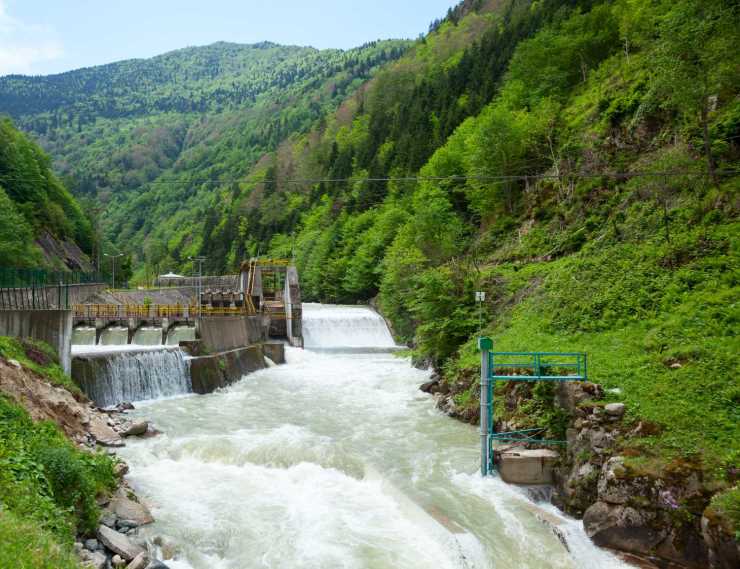
Upgrades to sewer networks should focus on expanding capacity for wastewater from industrial zones. – In historic centers like Bologna, many buildings still discharge into stormwater channels instead of proper sewer networks. Coordinated construction of collector pipes to redirect these discharges into sewer systems is necessary. – Clean and restore stormwater channels. Revived clear water flows could support tourism or small-scale hydroelectric generation.
3.4 CONSTRUCTION OF WATER PURIFICATION SYSTEMS
Strengthen, expand, and construct new facilities for filtering and purifying civil and industrial water.
3.5 CONSTRUCTION OF WATER RESERVOIRS FOR IRRIGATION AND FIRE PROTECTION
To address drought conditions: – Build waterproofed rainwater collection basins serving as reservoirs. – Connect these reservoirs to pressurized networks for agricultural and fire prevention use.
3.6 CREATION OF A REGISTRY OF WATER WITHDRAWAL POINTS
In collaboration with regional technicians and Atesir (formerly ATO), update the registry and revise water withdrawal concession fees, particularly for non-ecological activities. Examples include: – Golf courses, which consume over 4 liters of water per square meter per day during warm months (~50 million liters annually). – Snow cannons, using ~100 cubic meters of water daily. – Bottled water and beverage production facilities. The guiding principle: “Those who withdraw massive quantities of water must pay accordingly.”
3.7 CREATION OF A REGISTRY OF POLLUTING SOURCES
In collaboration with regional technicians, Atesir, and organizations like Coldiretti and Agricultural Consortia, implement a tax on the use of pesticides and fertilizers. These chemicals leach into both underground and surface water systems. The guiding principle: “Those who pollute water sources must pay.”