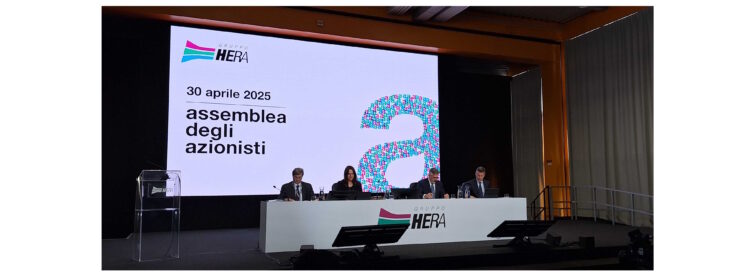
APRIL 30, 2025
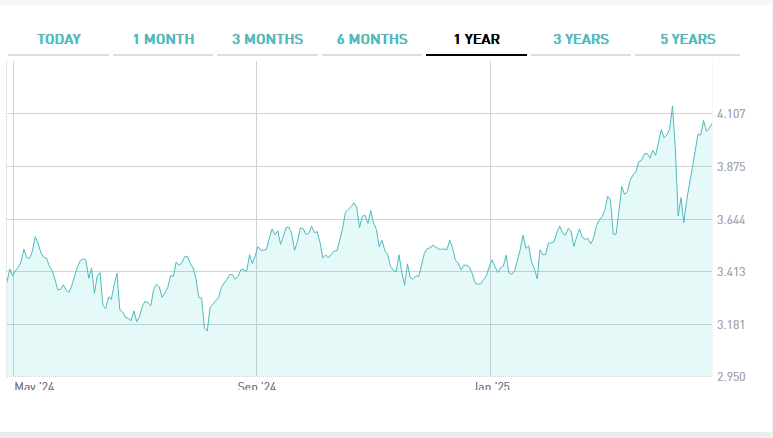

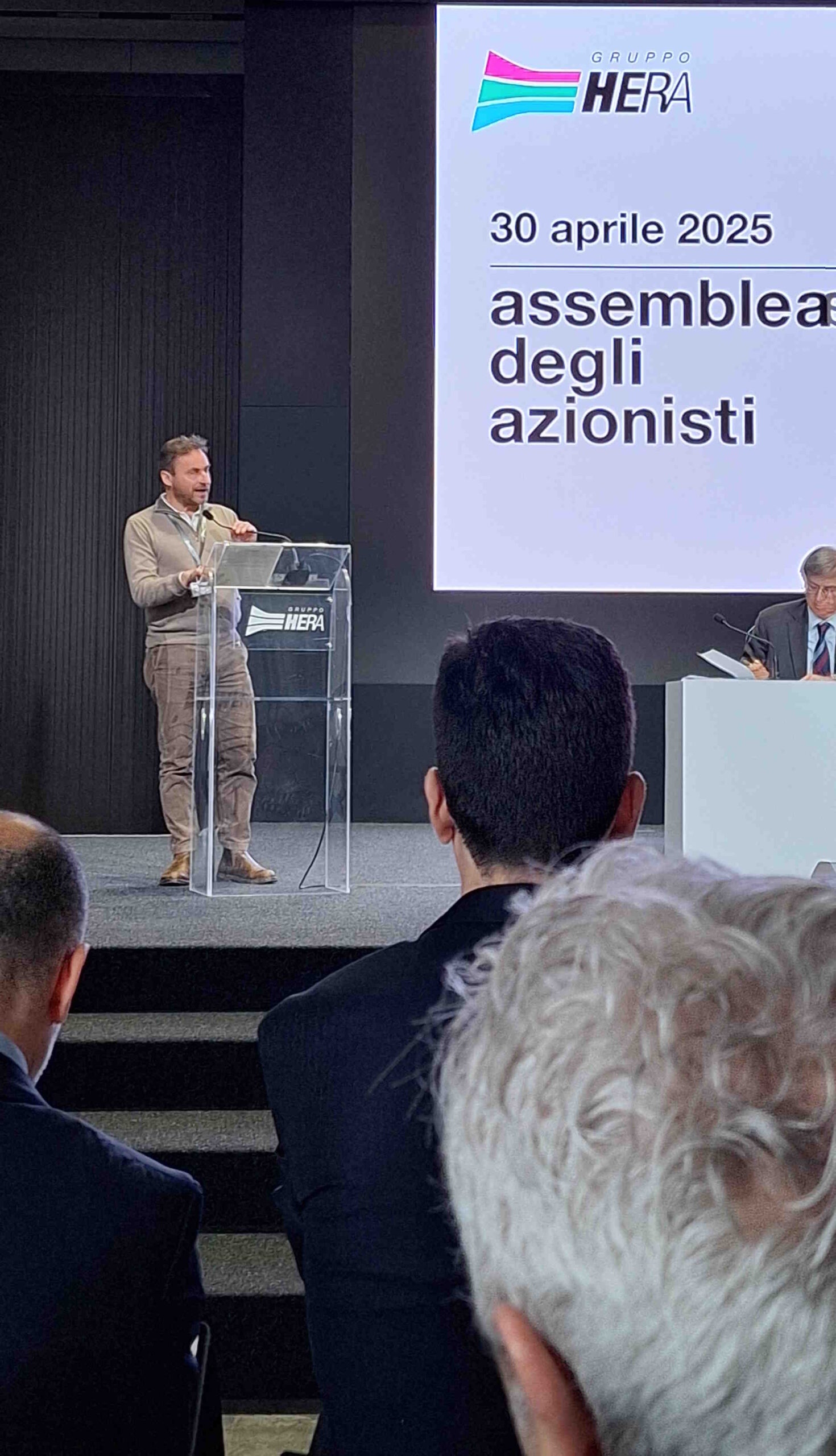
Speech by Shareholder Enrico Nannetti
Good morning Ladies and Gentlemen,
I speak today as a small shareholder and as a user.
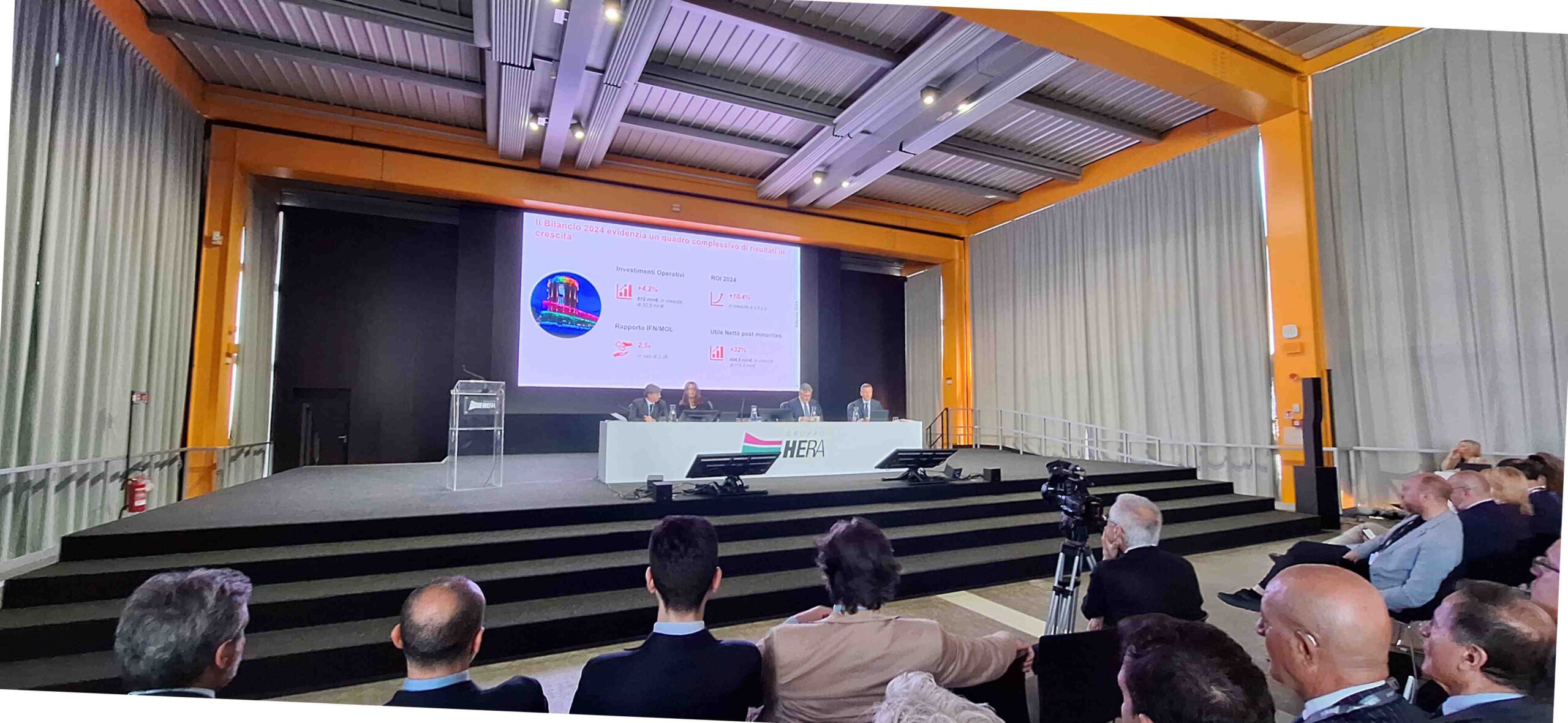
From the point of view of the small shareholder, the outlook is very positive. The company’s results, as shown in the report, reflect steady and consistent growth—numbers that speak for themselves. The Hera Group is a true industrial enterprise, with vertically integrated divisions and proprietary know-how, which generate income and redistribute value across the territory.
In terms of shareholder return, the capital base is solid, and the dividends are generous.
From the user’s perspective, the evaluation is also positive. In the city, one can see staff and vehicles actively working. The service coverage is adequate. It would be helpful to find a way to monitor the personnel’s performance, including by promoting wider use of the app Il Rifiutologo among users.
To the Mayor of my city: the issue is not cleaning more, but polluting less. We need more public toilets to be reopened in the city and clearer rules regarding dog waste. Dogs should not be allowed to defecate freely in public squares, under arcades, or at the entrances of shops and homes. We have storm drains that, by the way, should be cleaned more frequently.
Overall, the assessment is very positive, and this evaluation refers not only to 2024 but to a years-long journey, carried forward with skill and commitment by a management team that has grown within the company—an aspect that should also be valued.
So, from a corporate standpoint, very well done. Unfortunately, we must keep in mind the broader national context, which is not favorable to the “country system.”
There are currently two opposing global visions:
The Western world, which is fundamentally private in nature, led by the Markets, the global financial elite, and the Davos elite.
And the Greater Asia, the Eastern world, where strategic companies and natural monopolies are public, and leadership lies in the hands of politicians elected by their people.
The West has lost technological, economic, and military supremacy.
However, it still dominates in mass media and therefore avoids informing its citizens about the reasons behind its decline. It promotes the idea that the countries of Greater Asia are dictatorships that violate human rights, oppress their people, and threaten or aim to invade us.
In reality, hostile and quasi-warlike narratives are deliberately created to divide us and conceal the fact that, in Greater Asia, the standard of living is not inferior to ours. There is virtually no petty crime, the cost of living is low, and public services are efficient. Not to mention that piped gas from Siberia costs a fifth of the liquefied gas transported by American ships, which they urge us to buy.
What is the real reason why the Greater Asia model is winning? The truth is that the West has been stagnant for the past 30 years, ever since the Davos elite usurped the state’s monetary sovereignty. Money is now loaned to the state with interest, forcing it to privatize, raise taxes, and cut public spending.
In Greater Asia, the State issues currency and distributes it as non-repayable funding to carry out public works—both through state-owned and private enterprises. It’s as if hundreds of Marshall Plans, NRRP programs, and rounds of Quantitative Easing had been running simultaneously, everywhere, for decades.
The State is not a household, where there’s no such thing as a free lunch. It can print money and circulate it in the economy until full employment is reached. In fact, Greater Asia has been doing this for decades and maintains inflation below 1%, with unemployment between 3% and 5%.
Moreover, Greater Asia engages with Africa and the Middle East by building infrastructure in exchange for resources—following the method of Enrico Mattei, who proposed 50/50 partnerships. The West, on the other hand, invades or orchestrates regime changes, coups, and color revolutions behind the scenes.
The Davos elite speak of “More Europe,” yet with full control of mainstream media, they conceal the fact that the Ventotene Manifesto, in Chapter 3 (pages 8 and 9), states that for a Free and United Europe, major monopolies and strategic companies must not remain in private hands but must be nationalized.
Thus, the vision of a United Europe by its founding fathers is based on a state-driven economy—just like that of Greater Asia. Yet we are buried under narratives dictated from above, leading to the suspicion that the real enemy is not in the East but within our own gates, leading us.
Today, our political class faces the same crossroads as post-WWII politicians, caught between the state-driven and the market-driven models. Christian Democrats such as Moro, Dossetti, and La Pira wisely chose the middle way: the Third Way of the Entrepreneurial State, where the public share was not 100% (full nationalization), but rather a golden share of 30–40%, with the remainder held by small shareholder-savers.
To avoid repeating the 2021–2022 situation—when energy prices soared by up to 90% and users risked being unable to pay their bills—I suggest that future EU funds be used not for rearmament, but to reacquire stakes in companies that were privatized. We should re-publicize and recreate many publicly-owned companies like ours.
Thank you for your attention, and I wish you good work.
MINUTES OF THE EXTRAORDINARY AND ORDINARY SHAREHOLDERS MEETING OF THE COMPANY
Potrebbe interessarti anche

April 23rd, 2014
Shareholders’ Meeting of 23 April 2014 (*) Shareholders are called to the Extraordinary and Ordinary Shareholders’ Meeting in the Auditorium of the CNR CONGRESS CENTRE at 101 Via …
Read More